


Transition Metal Signaling and Metalloallostery
Bioinorganic chemistry beyond active sites
We are advancing a new paradigm of transition metal signaling, where nutrients like copper and iron serve as dynamic signals to regulate protein function by metalloallostery beyond their traditional roles as active site cofactors.
We develop activity-based sensing probes for imaging mobile transition metal pools and activity-based proteomics probes for identifying allosteric metal sites in proteins. These chemical tools enable us to decipher the complex biology of sleep, cognition, and obesity in cell, zebrafish, mouse, and non-human primate models. We also develop medicines to target cuproplasia and cuproptosis, newly recognized forms of copper-dependent cell proliferation and cell death, respectively, as metal-dependent disease vulnerabilities in cancer, neurodegeneration, and metabolic liver disorders.
Related Publications
Reviews
Highlight Publications
-
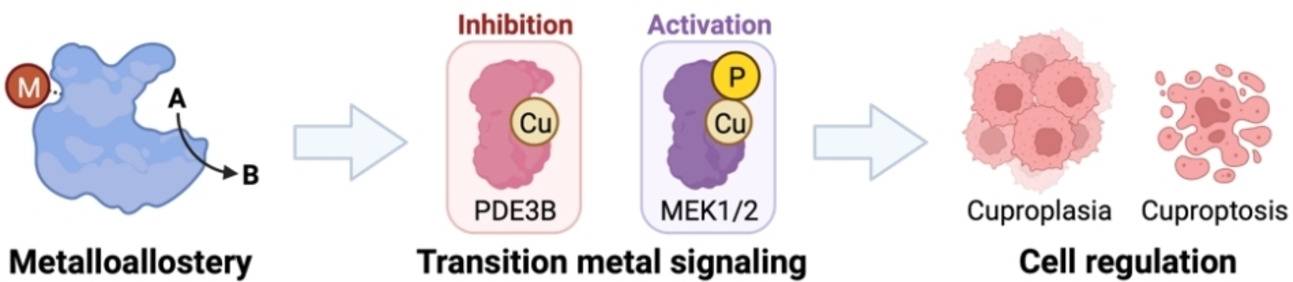
Metalloallostery and Transition Metal Signalling: Bioinorganic Copper Chemistry Beyond Active Sites
-
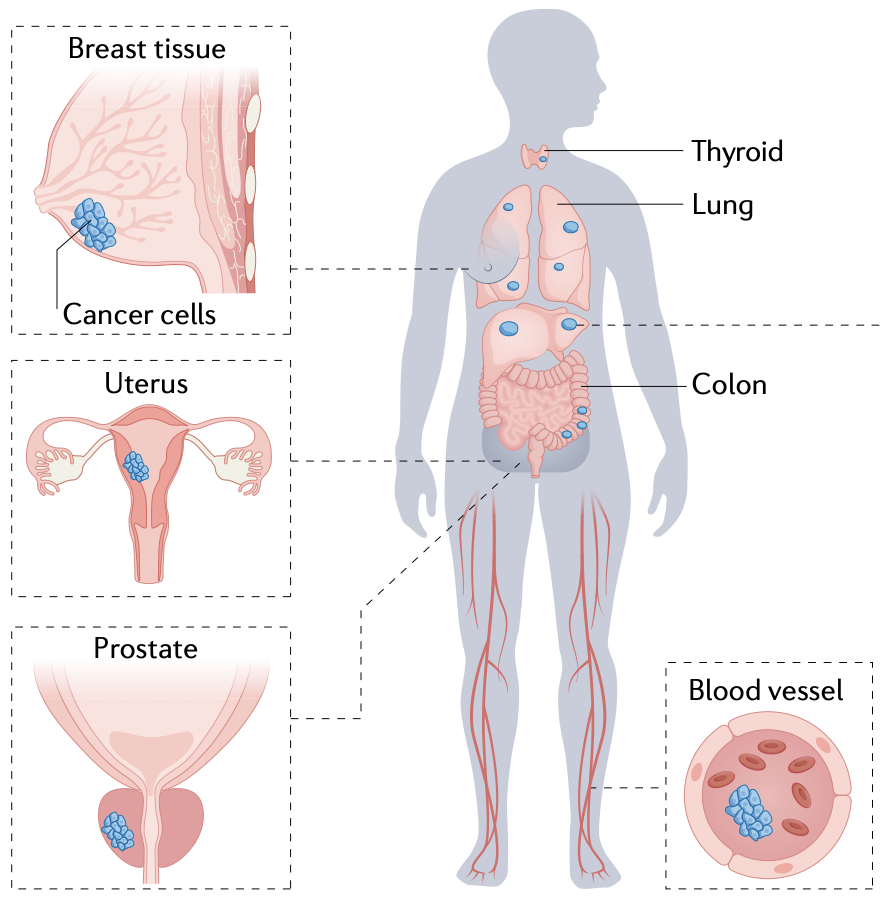
Connecting copper and cancer: from transition metal signalling to metalloplasia
-
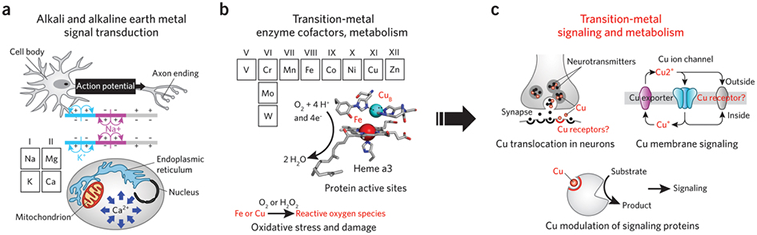
Searching for Harmony in Transition-Metal Signaling
-
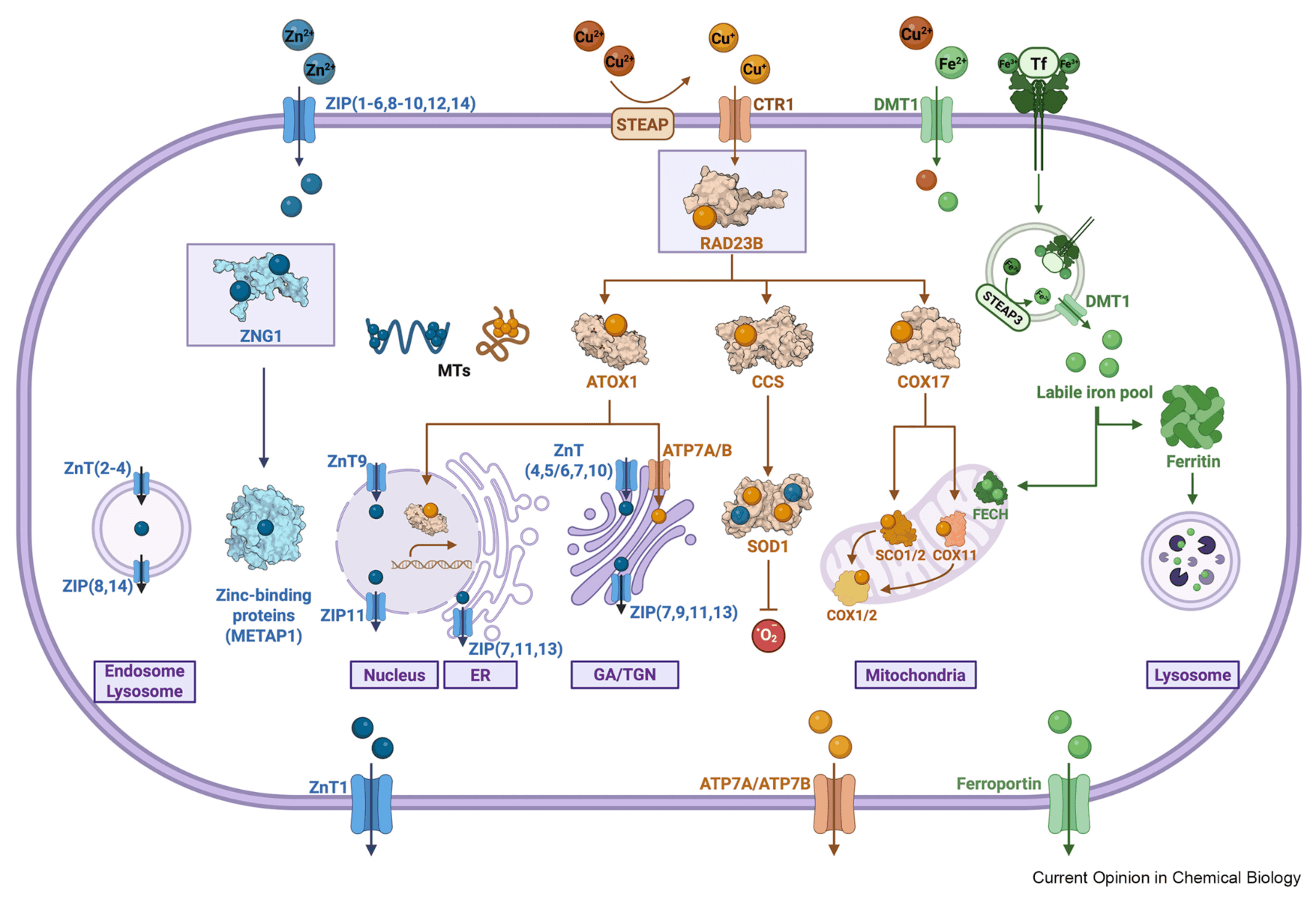
Metalloadaptor and metallochaperone proteins reveal new chemical principles of biological metal homeostasis
-
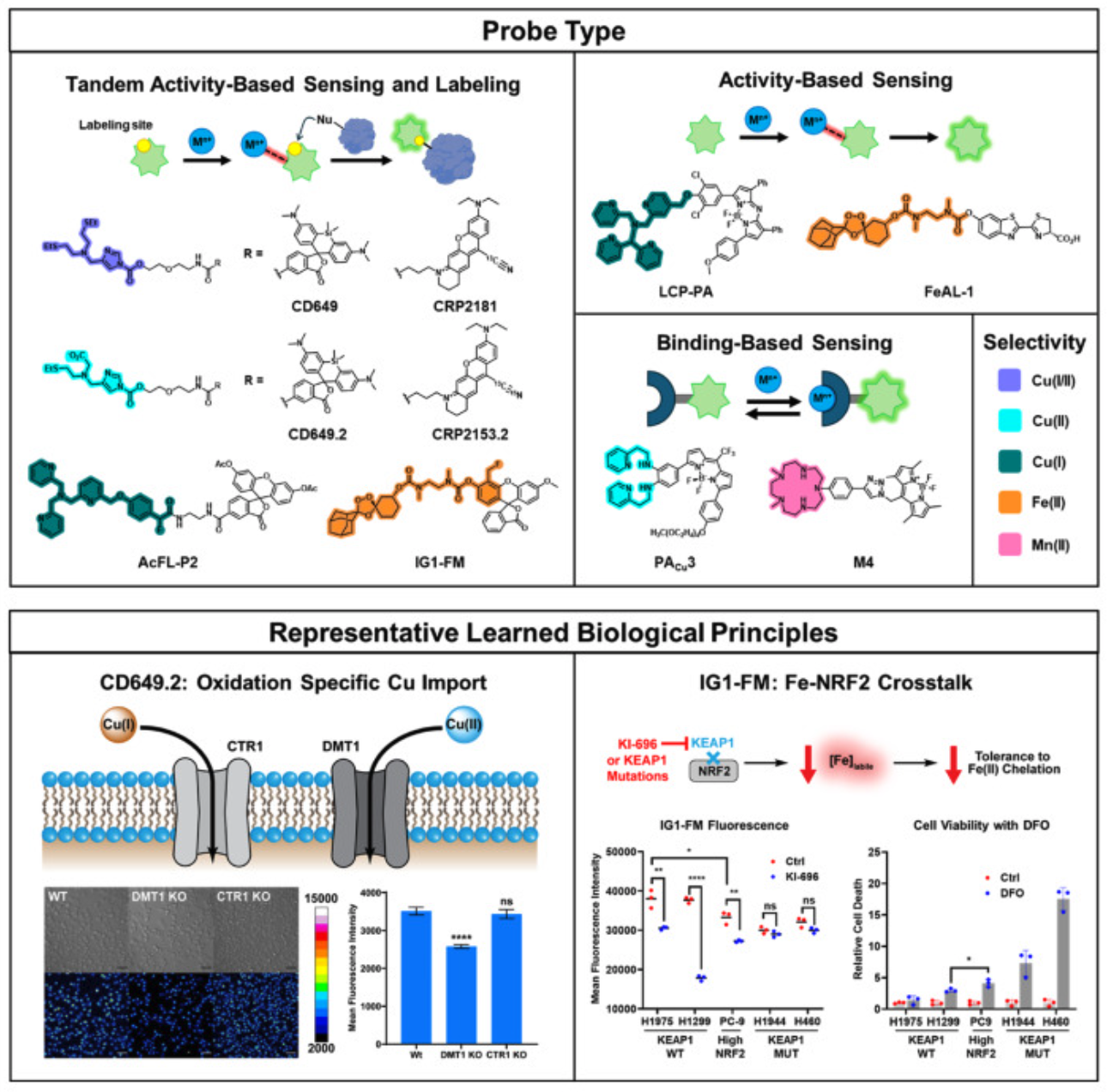
Designing Small-Molecule and Macromolecule Sensors for Imaging Redox-Active Transition Metal Signaling
-
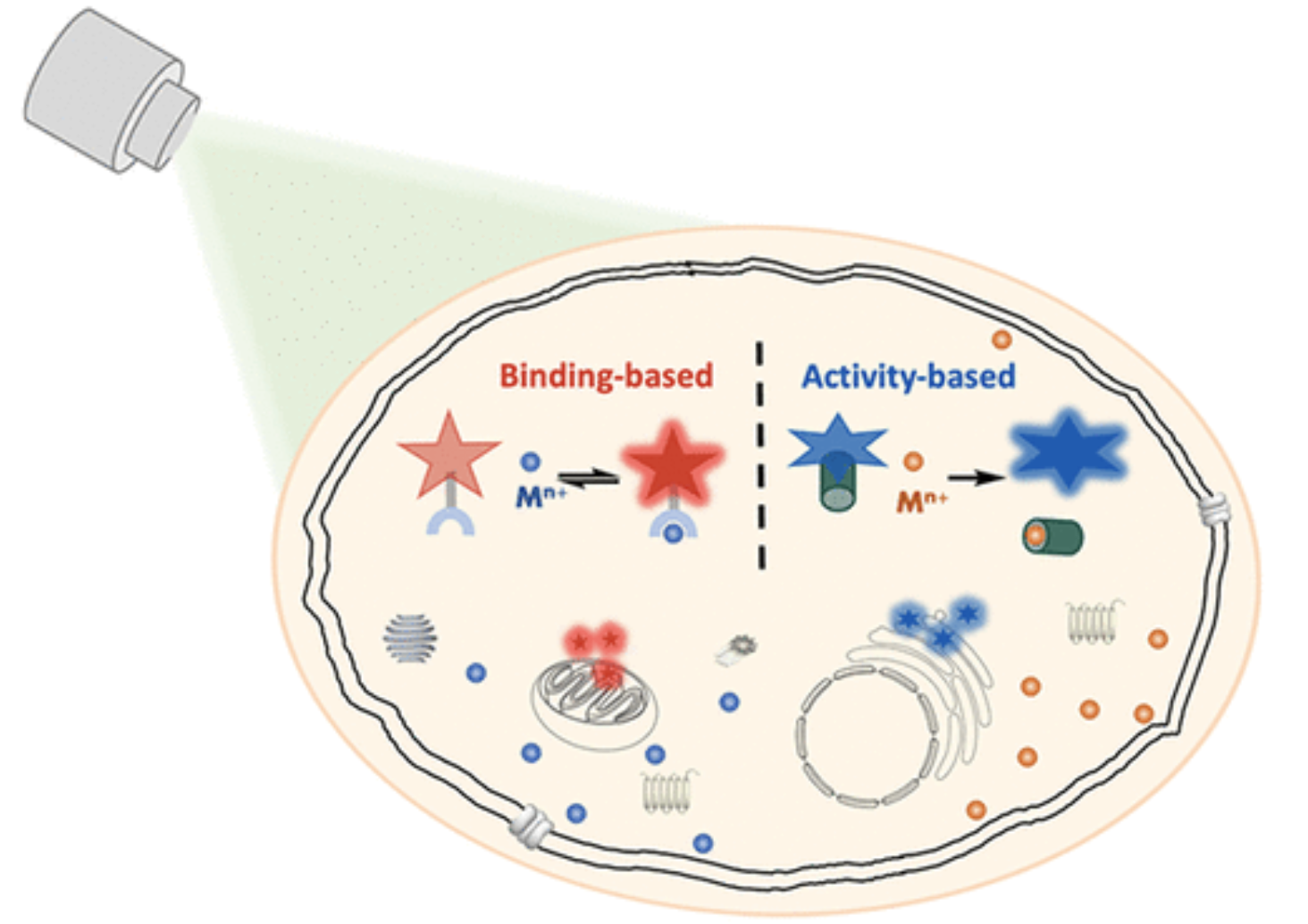
Small-Molecule Fluorescent Probes for Binding- and Activity-Based Sensing of Redox-Active Biological Metals
-
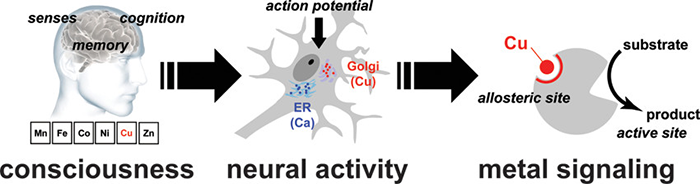
Bioinorganic Life and Neural Activity: Toward a Chemistry of Consciousness?
-
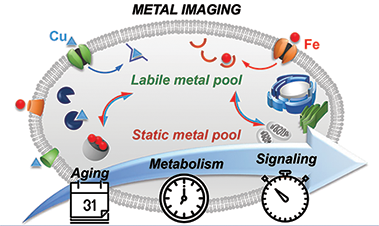
Analytical Methods for Imaging Metals in Biology: From Transition Metal Metabolism to Transition Metal Signaling
-
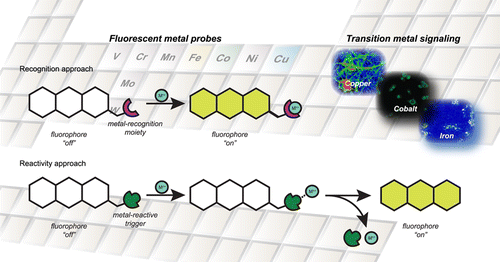
Recognition- and Reactivity-Based Fluorescent Probes for Studying Transition Metal Signaling in Living Systems
Representative Copper Papers
Highlight Publications
-
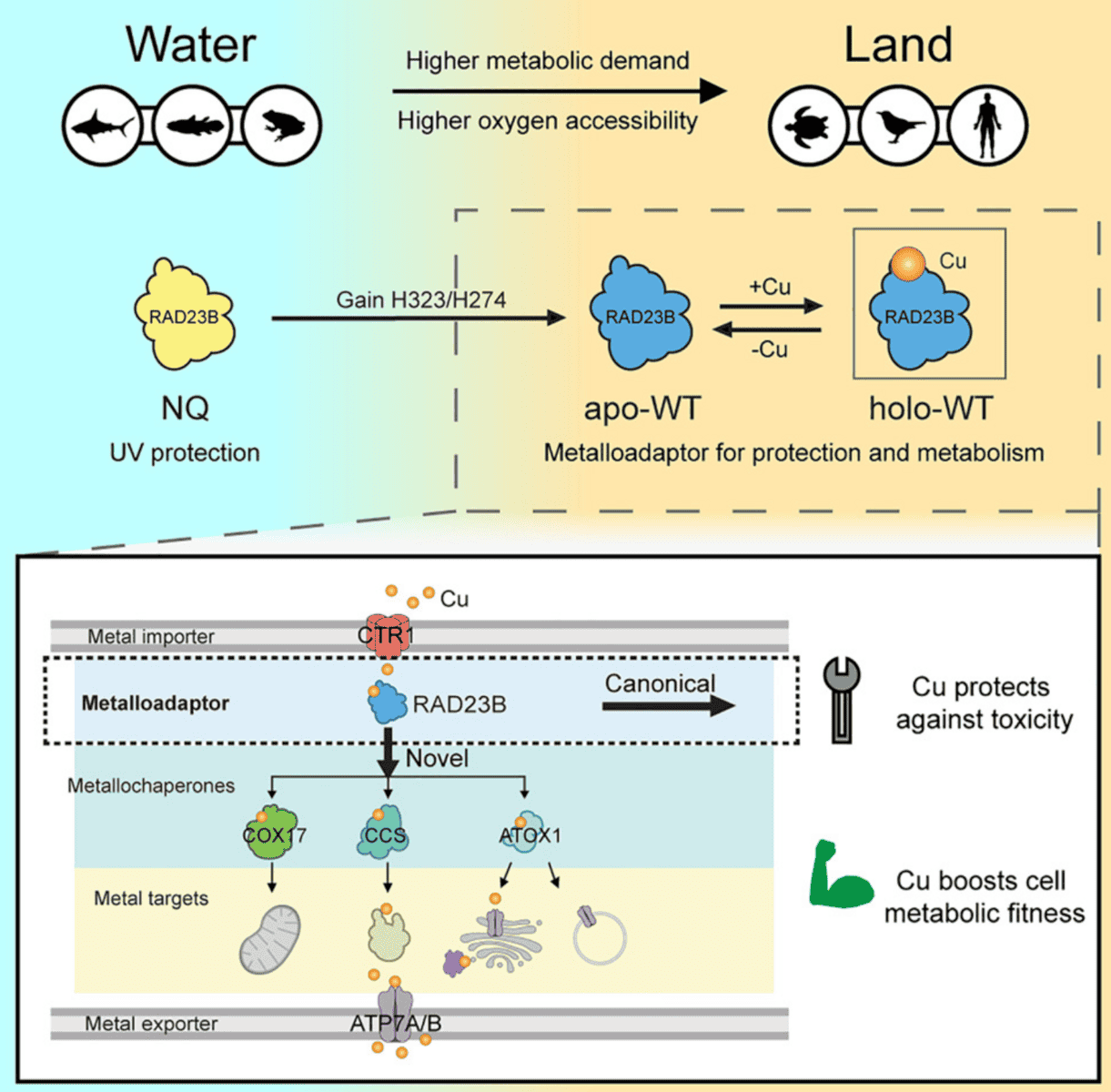
RAD23B acquires a copper metalloadaptor function in amphibian-to-reptile evolution to increase metabolism and regulate genomic integrity
-
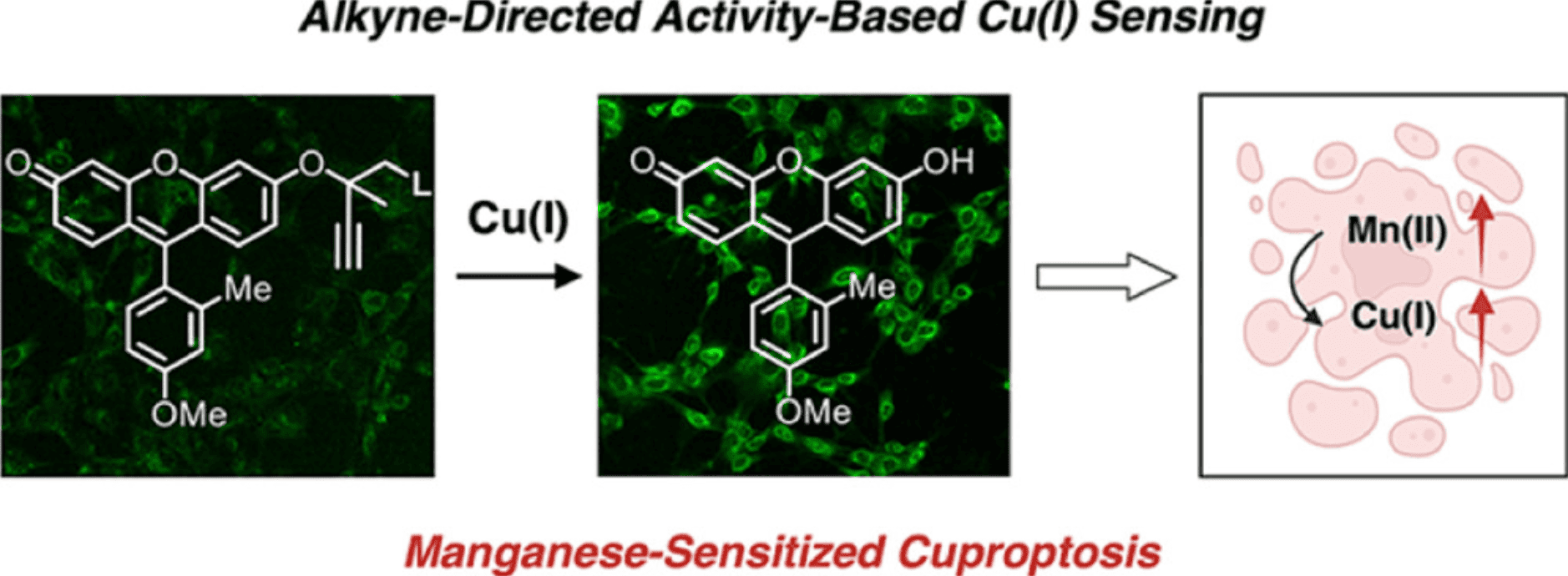
An Alkyne-Directed Cleavage Approach for Activity-Based Cu(I) Sensing Reveals Manganese-Promoted Sensitization of Cuproptosis
-

Oxidation state-specific fluorescent copper sensors reveal oncogene-driven redox changes that regulate labile copper(II) pools
-
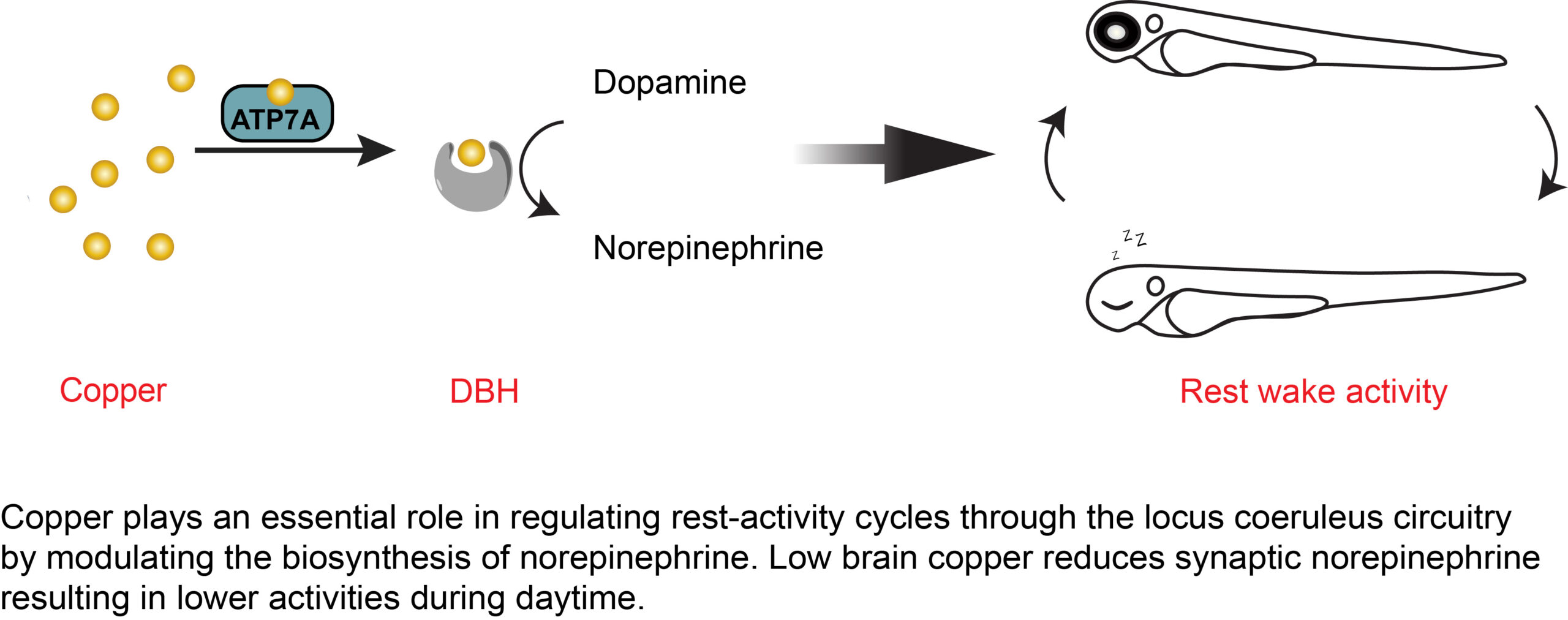
Copper regulates rest-activity cycles through the locus coeruleus-norepinephrine system
-
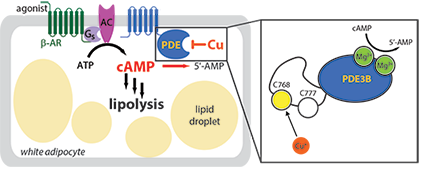
Copper regulates cyclic-AMP-dependent lipolysis
-

Calcium-dependent copper redistributions in neuronal cells revealed by a fluorescent copper sensor and X-ray fluorescence microscopy
-
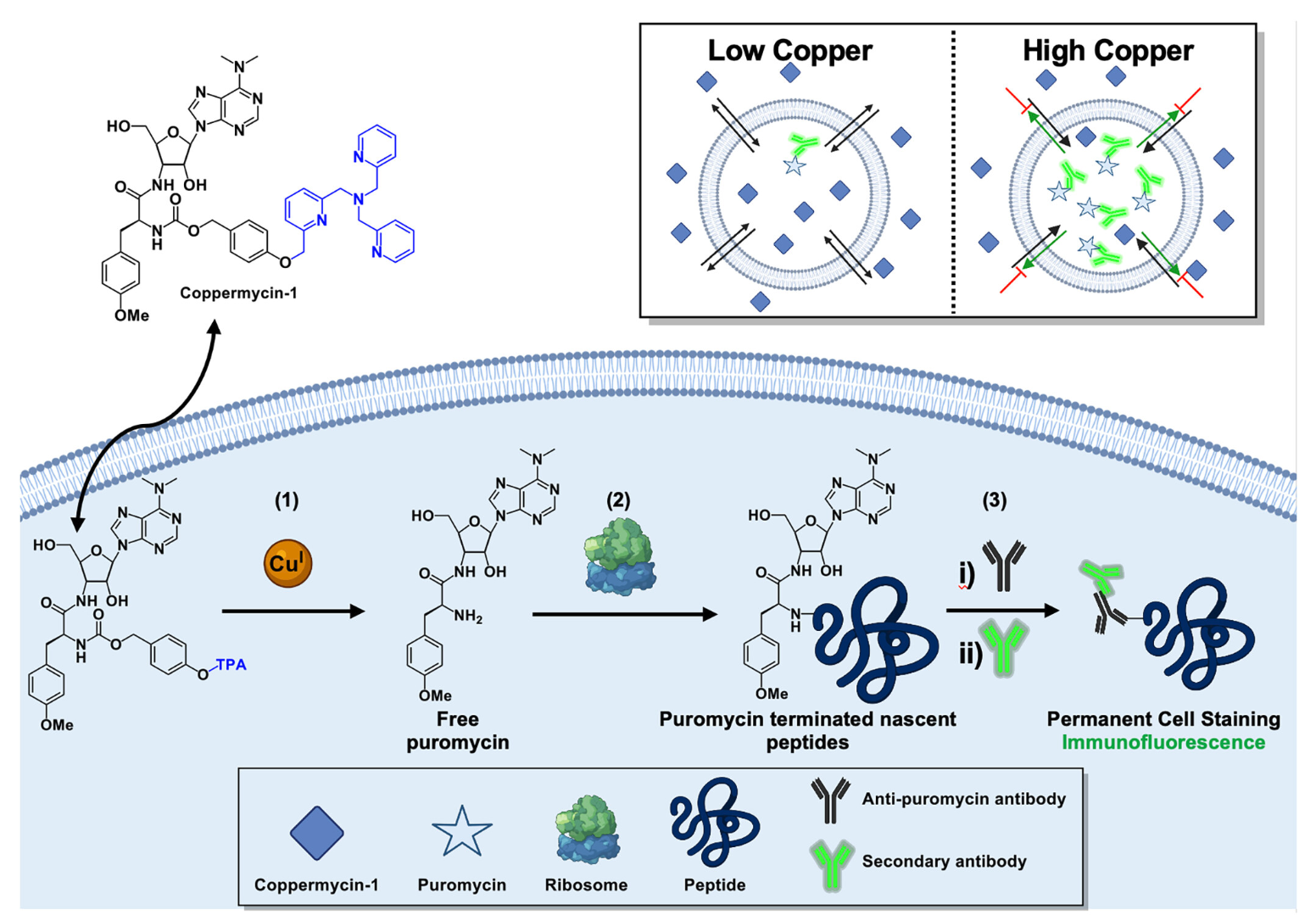
A Histochemical Approach to Activity-Based Copper Sensing Reveals Cuproplasia-Dependent Vulnerabilities in Cancer
-
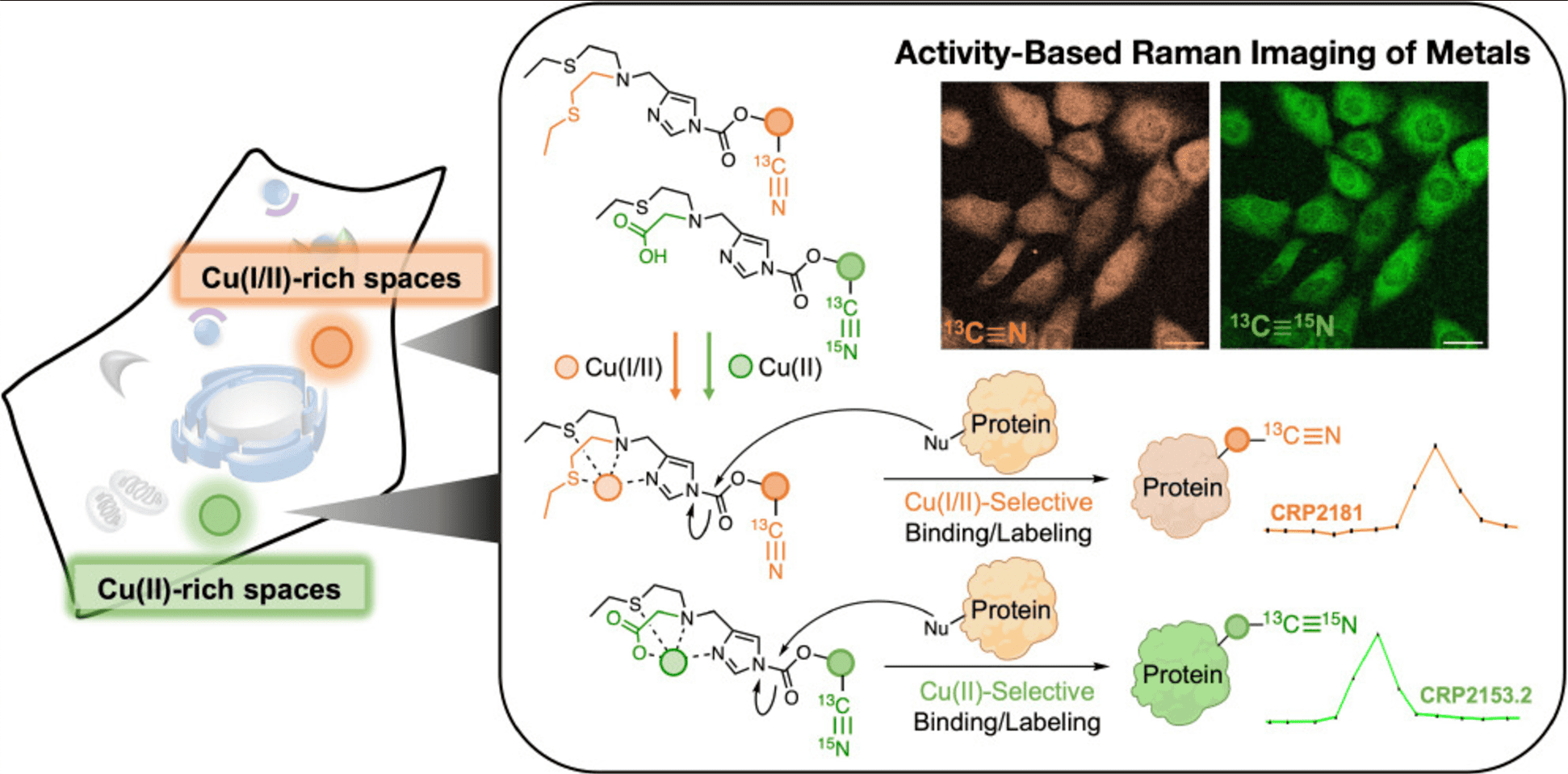
An Activity-Based Sensing Approach to Multiplex Mapping of Labile Copper Pools by Stimulated Raman Scattering
-

Activity-Based Sensing with a Metal-Directed Acyl Imidazole Strategy Reveals Cell Type-Dependent Pools of Labile Brain Copper
-

Activity-based ratiometric FRET probe reveals oncogene-driven changes in labile copper pools induced by altered glutathione metabolism
-
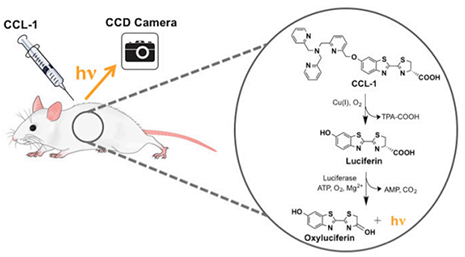
In vivo bioluminescence imaging reveals copper deficiency in a murine model of nonalcoholic fatty liver disease
-
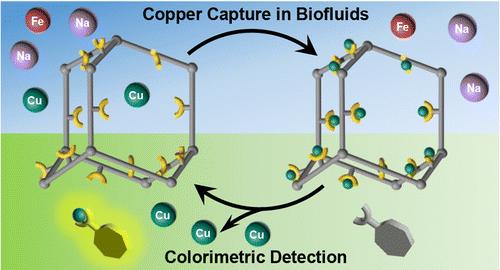
Copper Capture in a Thioether-Functionalized Porous Polymer Applied to the Detection of Wilson’s Disease
Representative Iron Papers
Highlight Publications
-
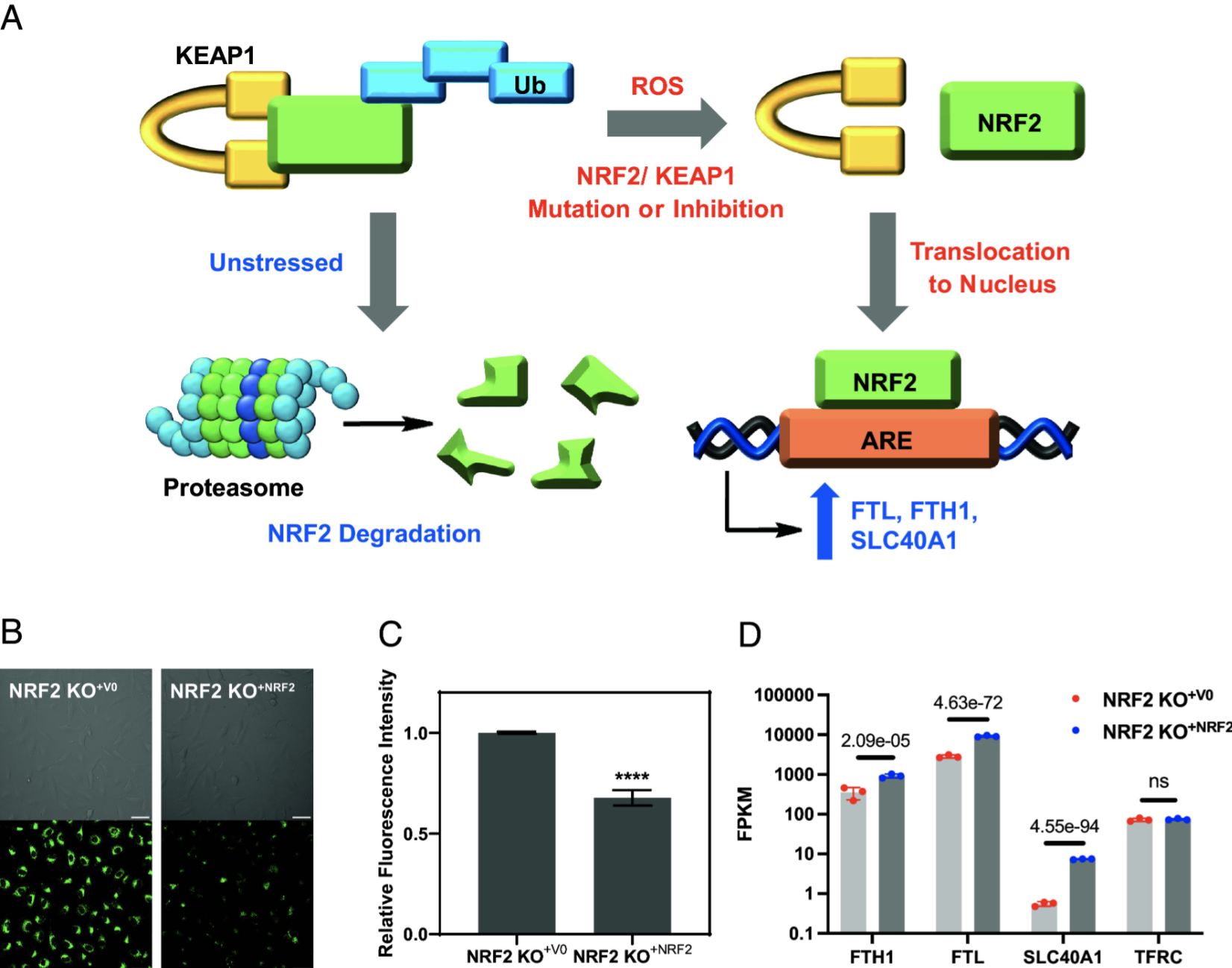
A Tandem Activity-Based Sensing and Labeling Strategy Reveals Antioxidant Response Element Regulation of Labile Iron Pools
-
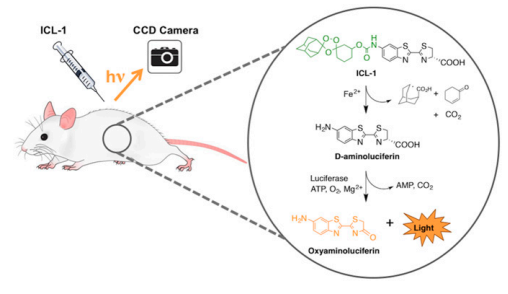
In vivo bioluminescence imaging of labile iron accumulation in a murine model of Acinetobacter baumannii infection
-
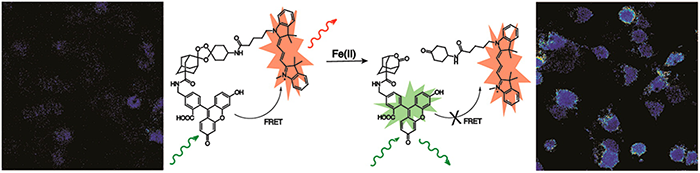
An Endoperoxide Reactivity-Based FRET Probe for Ratiometric Fluorescence Imaging of Labile Iron Pools in Living Cells
-
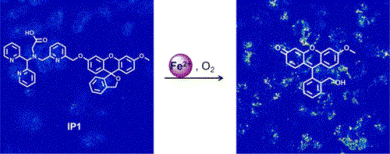
Molecular Imaging of Labile Iron(II) Pools in Living Cells with a Turn-On Fluorescent Probe